Smarter Portfolio Building

Exchange-Traded Funds (ETFs) have become one of the fastest-growing investment vehicles. They offer diversification, transparency, and cost efficiency — all within a single trade. But simply investing in ETFs isn’t enough. The real advantage comes from using the right ETF investing strategies.

In this guide, we break down practical ETF strategies that investors can use to build smarter portfolios.


What Are ETFs?

ETFs are investment funds that trade on stock exchanges, similar to stocks. Most ETFs track an index such as Nifty 50, Sensex, sector indices, or bond benchmarks.

They allow investors to:

  • Diversify with one investment
  • Reduce costs compared to active funds
  • Gain exposure to specific sectors or strategies
  • Trade anytime during market hours

Why ETF Strategies Matter

Not all ETFs serve the same purpose. Some are built for growth, others for income, and some for tactical exposure.

Using ETF strategies helps investors:

  • Build diversified portfolios
  • Manage risk better
  • Allocate across asset classes
  • Invest based on market outlook

1. Core-Satellite ETF Strategy

This is one of the most widely used ETF strategies.

Core Portfolio

The core consists of broad market ETFs like:

  • Nifty 50 ETFs
  • Sensex ETFs
  • Nifty 500 ETFs

These provide long-term stability.

Satellite Portfolio

Satellite ETFs add targeted exposure:

  • Sector ETFs
  • Thematic ETFs
  • Strategy ETFs

This approach balances stability and growth.


2. Asset Allocation ETF Strategy

Investors can build a complete portfolio using ETFs across asset classes.

Example allocation:

  • Equity ETFs — Growth
  • Fixed Income ETFs — Stability
  • Gold ETFs — Hedge
  • International ETFs — Global diversification

This strategy helps manage volatility while maintaining growth potential.


3. Sector Rotation Strategy

Sector ETFs allow investors to rotate investments based on market trends.

Example:

  • Banking ETFs during rate cuts
  • IT ETFs during tech growth cycles
  • PSU ETFs during policy-driven rallies

This strategy is more tactical and suited for active investors.


4. Thematic ETF Strategy

Thematic ETFs focus on long-term trends such as:

  • Manufacturing
  • Infrastructure
  • ESG
  • Consumption

Investors can use these ETFs to capture structural growth opportunities.


5. Income Strategy Using ETFs

Some ETFs are designed to generate relatively stable returns:

  • Target maturity bond ETFs
  • Government securities ETFs
  • Money market ETFs

These are useful for conservative investors and portfolio stability.


6. Diversification Strategy

ETFs make diversification easier by spreading investments across:

  • Market caps
  • Sectors
  • Asset classes
  • Geographies

This reduces single-stock risk and improves portfolio balance.


How to Choose the Right ETF Strategy

Before selecting an ETF strategy, consider:

  • Investment horizon
  • Risk tolerance
  • Portfolio goals
  • Market outlook
  • Asset allocation needs

The right strategy depends on your financial objectives.


Benefits of Using ETF Strategies

  • Low cost investing
  • Transparent holdings
  • Easy diversification
  • Flexible trading
  • Multiple investment approaches

Final Thoughts

ETF investing is not one-size-fits-all. The right strategy depends on your goals, risk appetite, and time horizon. Whether you prefer long-term investing, tactical allocation, or income generation, ETFs offer flexible ways to build smarter portfolios.

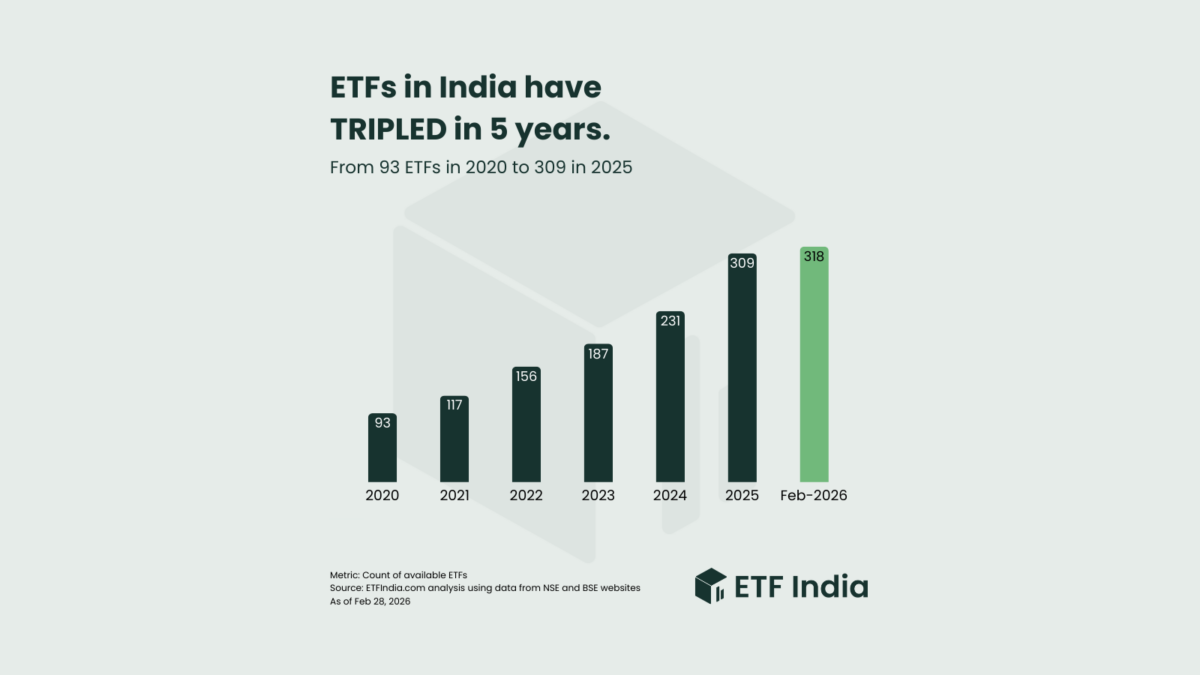
As the ETF ecosystem continues to expand, investors will have more strategies and opportunities to choose from.

ETF Investing Strategies for Smarter Portfolio Building

Exchange-Traded Funds (ETFs) have become one of the fastest-growing investment vehicles. They offer diversification, transparency, and cost efficiency — all within a single trade. But simply investing in ETFs isn’t enough. The real advantage comes from using the right ETF investing strategies.

In this guide, we break down practical ETF strategies that investors can use to build smarter portfolios.


What Are ETFs?

ETFs are investment funds that trade on stock exchanges, similar to stocks. Most ETFs track an index such as Nifty 50, Sensex, sector indices, or bond benchmarks.

They allow investors to:

  • Diversify with one investment
  • Reduce costs compared to active funds
  • Gain exposure to specific sectors or strategies
  • Trade anytime during market hours

Why ETF Strategies Matter

Not all ETFs serve the same purpose. Some are built for growth, others for income, and some for tactical exposure.

Using ETF strategies helps investors:

  • Build diversified portfolios
  • Manage risk better
  • Allocate across asset classes
  • Invest based on market outlook

1. Core-Satellite ETF Strategy

This is one of the most widely used ETF strategies.

Core Portfolio

The core consists of broad market ETFs like:

  • Nifty 50 ETFs
  • Sensex ETFs
  • Nifty 500 ETFs

These provide long-term stability.

Satellite Portfolio

Satellite ETFs add targeted exposure:

  • Sector ETFs
  • Thematic ETFs
  • Strategy ETFs

This approach balances stability and growth.


2. Asset Allocation ETF Strategy

Investors can build a complete portfolio using ETFs across asset classes.

Example allocation:

  • Equity ETFs — Growth
  • Fixed Income ETFs — Stability
  • Gold ETFs — Hedge
  • International ETFs — Global diversification

This strategy helps manage volatility while maintaining growth potential.


3. Sector Rotation Strategy

Sector ETFs allow investors to rotate investments based on market trends.

Example:

  • Banking ETFs during rate cuts
  • IT ETFs during tech growth cycles
  • PSU ETFs during policy-driven rallies

This strategy is more tactical and suited for active investors.


4. Thematic ETF Strategy

Thematic ETFs focus on long-term trends such as:

  • Manufacturing
  • Infrastructure
  • ESG
  • Consumption

Investors can use these ETFs to capture structural growth opportunities.


5. Income Strategy Using ETFs

Some ETFs are designed to generate relatively stable returns:

  • Target maturity bond ETFs
  • Government securities ETFs
  • Money market ETFs

These are useful for conservative investors and portfolio stability.


6. Diversification Strategy

ETFs make diversification easier by spreading investments across:

  • Market caps
  • Sectors
  • Asset classes
  • Geographies

This reduces single-stock risk and improves portfolio balance.


How to Choose the Right ETF Strategy

Before selecting an ETF strategy, consider:

  • Investment horizon
  • Risk tolerance
  • Portfolio goals
  • Market outlook
  • Asset allocation needs

The right strategy depends on your financial objectives.


Benefits of Using ETF Strategies

  • Low cost investing
  • Transparent holdings
  • Easy diversification
  • Flexible trading
  • Multiple investment approaches

Final Thoughts

ETF investing is not one-size-fits-all. The right strategy depends on your goals, risk appetite, and time horizon. Whether you prefer long-term investing, tactical allocation, or income generation, ETFs offer flexible ways to build smarter portfolios.

As the ETF ecosystem continues to expand, investors will have more strategies and opportunities to choose from.

Guide to ETF Investing Strategies for Smarter Portfolio Building

Exchange-Traded Funds (ETFs) have become one of the fastest-growing investment vehicles. They offer diversification, transparency, and cost efficiency — all within a single trade. But simply investing in ETFs isn’t enough. The real advantage comes from using the right ETF investing strategies.

In this guide, we break down practical ETF strategies that investors can use to build smarter portfolios.


What Are ETFs?

ETFs are investment funds that trade on stock exchanges, similar to stocks. Most ETFs track an index such as Nifty 50, Sensex, sector indices, or bond benchmarks.

They allow investors to:

  • Diversify with one investment
  • Reduce costs compared to active funds
  • Gain exposure to specific sectors or strategies
  • Trade anytime during market hours

Why ETF Strategies Matter

Not all ETFs serve the same purpose. Some are built for growth, others for income, and some for tactical exposure.

Using ETF strategies helps investors:

  • Build diversified portfolios
  • Manage risk better
  • Allocate across asset classes
  • Invest based on market outlook

1. Core-Satellite ETF Strategy

This is one of the most widely used ETF strategies.

Core Portfolio

The core consists of broad market ETFs like:

  • Nifty 50 ETFs
  • Sensex ETFs
  • Nifty 500 ETFs

These provide long-term stability.

Satellite Portfolio

Satellite ETFs add targeted exposure:

  • Sector ETFs
  • Thematic ETFs
  • Strategy ETFs

This approach balances stability and growth.


2. Asset Allocation ETF Strategy

Investors can build a complete portfolio using ETFs across asset classes.

Example allocation:

  • Equity ETFs — Growth
  • Fixed Income ETFs — Stability
  • Gold ETFs — Hedge
  • International ETFs — Global diversification

This strategy helps manage volatility while maintaining growth potential.


3. Sector Rotation Strategy

Sector ETFs allow investors to rotate investments based on market trends.

Example:

  • Banking ETFs during rate cuts
  • IT ETFs during tech growth cycles
  • PSU ETFs during policy-driven rallies

This strategy is more tactical and suited for active investors.


4. Thematic ETF Strategy

Thematic ETFs focus on long-term trends such as:

  • Manufacturing
  • Infrastructure
  • ESG
  • Consumption

Investors can use these ETFs to capture structural growth opportunities.


5. Income Strategy Using ETFs

Some ETFs are designed to generate relatively stable returns:

  • Target maturity bond ETFs
  • Government securities ETFs
  • Money market ETFs

These are useful for conservative investors and portfolio stability.


6. Diversification Strategy

ETFs make diversification easier by spreading investments across:

  • Market caps
  • Sectors
  • Asset classes
  • Geographies

This reduces single-stock risk and improves portfolio balance.


How to Choose the Right ETF Strategy

Before selecting an ETF strategy, consider:

  • Investment horizon
  • Risk tolerance
  • Portfolio goals
  • Market outlook
  • Asset allocation needs

The right strategy depends on your financial objectives.


Benefits of Using ETF Strategies

  • Low cost investing
  • Transparent holdings
  • Easy diversification
  • Flexible trading
  • Multiple investment approaches

Final Thoughts

ETF investing is not one-size-fits-all. The right strategy depends on your goals, risk appetite, and time horizon. Whether you prefer long-term investing, tactical allocation, or income generation, ETFs offer flexible ways to build smarter portfolios.

As the ETF ecosystem continues to expand, investors will have more strategies and opportunities to choose from.
A Practical Guide to ETF Investing Strategies for Smarter Portfolio Building

Exchange-Traded Funds (ETFs) have become one of the fastest-growing investment vehicles. They offer diversification, transparency, and cost efficiency — all within a single trade. But simply investing in ETFs isn’t enough. The real advantage comes from using the right ETF investing strategies.

In this guide, we break down practical ETF strategies that investors can use to build smarter portfolios.


What Are ETFs?

ETFs are investment funds that trade on stock exchanges, similar to stocks. Most ETFs track an index such as Nifty 50, Sensex, sector indices, or bond benchmarks.

They allow investors to:

  • Diversify with one investment
  • Reduce costs compared to active funds
  • Gain exposure to specific sectors or strategies
  • Trade anytime during market hours

Why ETF Strategies Matter

Not all ETFs serve the same purpose. Some are built for growth, others for income, and some for tactical exposure.

Using ETF strategies helps investors:

  • Build diversified portfolios
  • Manage risk better
  • Allocate across asset classes
  • Invest based on market outlook

1. Core-Satellite ETF Strategy

This is one of the most widely used ETF strategies.

Core Portfolio

The core consists of broad market ETFs like:

  • Nifty 50 ETFs
  • Sensex ETFs
  • Nifty 500 ETFs

These provide long-term stability.

Satellite Portfolio

Satellite ETFs add targeted exposure:

  • Sector ETFs
  • Thematic ETFs
  • Strategy ETFs

This approach balances stability and growth.


2. Asset Allocation ETF Strategy

Investors can build a complete portfolio using ETFs across asset classes.

Example allocation:

  • Equity ETFs — Growth
  • Fixed Income ETFs — Stability
  • Gold ETFs — Hedge
  • International ETFs — Global diversification

This strategy helps manage volatility while maintaining growth potential.


3. Sector Rotation Strategy

Sector ETFs allow investors to rotate investments based on market trends.

Example:

  • Banking ETFs during rate cuts
  • IT ETFs during tech growth cycles
  • PSU ETFs during policy-driven rallies

This strategy is more tactical and suited for active investors.


4. Thematic ETF Strategy

Thematic ETFs focus on long-term trends such as:

  • Manufacturing
  • Infrastructure
  • ESG
  • Consumption

Investors can use these ETFs to capture structural growth opportunities.


5. Income Strategy Using ETFs

Some ETFs are designed to generate relatively stable returns:

  • Target maturity bond ETFs
  • Government securities ETFs
  • Money market ETFs

These are useful for conservative investors and portfolio stability.


6. Diversification Strategy

ETFs make diversification easier by spreading investments across:

  • Market caps
  • Sectors
  • Asset classes
  • Geographies

This reduces single-stock risk and improves portfolio balance.


How to Choose the Right ETF Strategy

Before selecting an ETF strategy, consider:

  • Investment horizon
  • Risk tolerance
  • Portfolio goals
  • Market outlook
  • Asset allocation needs

The right strategy depends on your financial objectives.


Benefits of Using ETF Strategies

  • Low cost investing
  • Transparent holdings
  • Easy diversification
  • Flexible trading
  • Multiple investment approaches

Final Thoughts

ETF investing is not one-size-fits-all. The right strategy depends on your goals, risk appetite, and time horizon. Whether you prefer long-term investing, tactical allocation, or income generation, ETFs offer flexible ways to build smarter portfolios.

As the ETF ecosystem continues to expand, investors will have more strategies and opportunities to choose from.

Hello world! 1

Welcome to WordPress. This is your first post. Edit or delete it, then start writing!

Hello world! 2

Welcome to WordPress. This is your first post. Edit or delete it, then start writing!

Hello world! 3

Welcome to WordPress. This is your first post. Edit or delete it, then start writing!

Hello world! 4

Welcome to WordPress. This is your first post. Edit or delete it, then start writing!

Hello world!

Welcome to WordPress. This is your first post. Edit or delete it, then start writing!